ఏపీపీఎస్సీ గ్రూప్-1 ప్రిలిమ్స్ 2010
382 ప్రశ్నలు, ప్రతిదానికి అధికారిక సమాధానం మరియు వివరణ.
ఒకే ప్రశ్న పలు సంవత్సరాల్లో వస్తే, మొదటిసారి అడిగిన సంవత్సరం కింద చూపిస్తాం.
- Q241Biotechnology and genetic engineering
మోన్ 863 అనేది ఒక రకమైన మొక్కజొన్న. ఇది కింది కారణం వల్ల వార్తల్లో నిలిచింది.
- aఇది కరువును తట్టుకునే జన్యుపరంగా మార్పు చెందిన పొట్టి రకం
- bఇది తెగుళ్ళను తట్టుకునే జన్యుపరంగా మార్పు చెందిన రకంసరైన సమాధానం
- cఇది సాధారణ మొక్కజొన్న పంట కంటే పది రెట్లు ఎక్కువ ప్రోటీన్ కంటెంట్ కలిగిన జన్యుపరంగా మార్పు చెందిన రకం
- dఇది బయో-ఫ్యూయల్ ఉత్పత్తికి ప్రత్యేకంగా ఉపయోగించే జన్యుపరంగా మార్పు చెందిన రకం
వివరణ
Option B సరైనది ఎందుకంటే MON 863 అనేది Cry3Bb1 ప్రోటీన్ను వ్యక్తీకరించడానికి అభివృద్ధి చేయబడిన జన్యుపరంగా మార్పు చెందిన మొక్కజొన్న రకం, ఇది మొక్కజొన్న రూట్వార్మ్ తెగులును తట్టుకునేలా చేస్తుంది. Option A: MON 863 అనేది కీటక తెగుళ్లను తట్టుకోవడానికి రూపొందించబడింది, పొట్టి పరిమాణం లేదా కరువును తట్టుకోవడం కోసం కాదు. Option C: MON 863 ప్రోటీన్ కంటెంట్ను పెంచడానికి మార్పు చేయబడలేదు; దాని జన్యు మార్పు తెగుళ్ల నియంత్రణను లక్ష్యంగా చేసుకుంటుంది. Option D: MON 863 అనేది రూట్వార్మ్లను తట్టుకునే ఆహార మరియు దాణా పంటగా రూపొందించబడింది, ప్రత్యేకంగా బయో-ఫ్యూయల్ ఉత్పత్తి కోసం కాదు.
- Q242Biotechnology and genetic engineering
India's first genetically engineered vaccine:
- aMalaria vaccine
- bF.M.D vaccine
- cH.B.V vaccineసరైన సమాధానం
- dB.C.G vaccine
వివరణ
Option C is correct because the Hepatitis B vaccine, launched as Shanvac-B by Shantha Biotechnics in 1997 using recombinant DNA technology, was India's first indigenously developed genetically engineered vaccine. Option A: Malaria vaccines were developed much later through global initiatives and are not India's first genetically engineered vaccine. Option B: Traditional Foot-and-Mouth Disease vaccines in India were inactivated viral formulations, not the pioneering recombinant human vaccine. Option D: The BCG vaccine is a live attenuated bacterial vaccine derived from Mycobacterium bovis, developed using classical microbiological methods rather than recombinant DNA technology.
- Q243Biotechnology and genetic engineering
భారతదేశపు మొదటి జన్యుపరంగా ఇంజనీరింగ్ చేయబడిన వ్యాక్సిన్:
- aమలేరియా వ్యాక్సిన్
- bFMD వ్యాక్సిన్
- cHBV వ్యాక్సిన్సరైన సమాధానం
- dBCG వ్యాక్సిన్
వివరణ
Option C సరైనది, ఎందుకంటే భారతదేశపు మొట్టమొదటి స్వదేశీ పరిజ్ఞానంతో అభివృద్ధి చేసిన రీకాంబినెంట్ DNA వ్యాక్సిన్ అయిన షాన్వాక్-బి, హెపటైటిస్ B వైరస్ (HBV) కి వ్యతిరేకంగా 1997 లో అభివృద్ధి చేయబడి ప్రారంభించబడింది. Option A: మలేరియా వ్యాక్సిన్లు భారతదేశంలో అభివృద్ధి చేయబడిన మొట్టమొదటి జన్యు ఇంజనీరింగ్ మానవ వ్యాక్సిన్లు కావు. Option B: అంతకుముందు ఉత్పత్తి చేయబడిన FMD వ్యాక్సిన్ భారతదేశపు మార్గదర్శక రీకాంబినెంట్ వ్యాక్సిన్గా కాకుండా సంప్రదాయ నిష్క్రియం చేయబడిన వైరస్ సన్నాహాలపై ఆధారపడింది. Option D: BCG వ్యాక్సిన్ అనేది 20వ శతాబ్దం ప్రారంభంలో అభివృద్ధి చేయబడిన ఒక బలహీనపరచబడిన లైవ్ బాక్టీరియల్ స్ట్రెయిన్, ఇది ఆధునిక జన్యు ఇంజనీరింగ్ వ్యాక్సిన్ కాదు.
- Q244Nanotechnology and the emerging technologies
కంప్యూటర్ల ఇంటిగ్రేటెడ్ సర్క్యూట్లలో ఉపయోగించే మూలకం:
- aఐరన్
- bమెగ్నీషియం
- cఅల్యూమినియం
- dసిలికాన్సరైన సమాధానం
వివరణ
Option D సరైనది, ఎందుకంటే సిలికాన్ అనేది సమృద్ధిగా లభించే, చవకైన ప్రాథమిక సెమీకండక్టర్, దీని విద్యుత్ వాహకతను డోపింగ్ ద్వారా ఖచ్చితంగా నియంత్రించవచ్చు, ఇది కంప్యూటర్ ఇంటిగ్రేటెడ్ సర్క్యూట్లకు ప్రాథమిక పదార్థంగా మారుతుంది. Option A: ఐరన్ అనేది లోహ వాహకం మరియు ఫెర్రో అయస్కాంత పదార్థం, ఇది సెమీకండక్టర్ సబ్స్ట్రేట్గా పనిచేయదు. Option B: మెగ్నీషియం అనేది ట్రాన్సిస్టర్లను నిర్మించడానికి అవసరమైన సెమీకండక్టింగ్ బ్యాండ్గ్యాప్ లేని ఒక క్రియాశీల లోహం. Option C: అల్యూమినియం చిప్ ఇంటర్కనెక్ట్ల కోసం వాహక లోహంగా ఉపయోగించబడింది, కానీ ఇది ఇంటిగ్రేటెడ్ సర్క్యూట్ యొక్క సెమీకండక్టింగ్ బేస్గా ఏర్పడదు.
- Q245SCHOOL BIOLOGY: life sciences as the papers actually ask them
Which of the following enzymes are mostly involved in biochemical reactions?
- aDiastase
- bLigaseసరైన సమాధానం
- cTransferases
- dHydrolases
అధికారిక సమాధానం చూపించాం. వివరణ సమీక్షలో ఉంది.
- Q246SCHOOL BIOLOGY: life sciences as the papers actually ask them
Chicory powder mixed in coffee is extracted from what?
- aFrom the rootసరైన సమాధానం
- bFrom the stem
- cFrom the leaves
- dFrom the seeds
వివరణ
Option A is correct because commercial chicory blended with coffee is produced by cleaning, drying, roasting, and pulverizing the thick taproots of Cichorium intybus. Option B: The aerial stems of the chicory plant are not roasted or utilized to prepare commercial chicory powder. Option C: Chicory leaves are used as bitter salad greens or livestock fodder, not processed into coffee substitutes. Option D: The seeds of the plant serve strictly for cultivation and are not roasted for beverage preparation.
- Q247SCHOOL BIOLOGY: life sciences as the papers actually ask them
Oxygen-free leaf pigment:
- aPhycobilin
- bCaroteneసరైన సమాధానం
- cChlorophyll
- dXanthophyll
వివరణ
Option B is correct because carotenes are pure tetraterpene hydrocarbons with the molecular formula C40H56, containing strictly carbon and hydrogen atoms without any oxygen. Option A: Phycobilins are open-chain tetrapyrroles that contain oxygen atoms within their chemical structure. Option C: Chlorophyll molecules contain oxygen in their porphyrin ring and ester side chains, such as C55H72O5N4Mg in chlorophyll a. Option D: Xanthophylls are oxygenated derivatives of carotenes containing hydroxyl, carbonyl, or epoxide oxygen groups.
- Q248SCHOOL BIOLOGY: life sciences as the papers actually ask them
In which light does photosynthesis occur most?
- aSunlight
- bInfrared light
- cBlue light
- dRed lightసరైన సమాధానం
వివరణ
Option D is correct because red light has wavelengths around 650 to 680 nm where the action spectrum of photosynthesis reaches its maximum efficiency. Option A: Sunlight is composite white light containing all visible and invisible wavelengths, not a single light band. Option B: Infrared light has longer wavelengths that lack the photon energy required to drive chlorophyll photochemistry. Option C: Blue light is strongly absorbed by photosynthetic pigments, but the rate of photosynthesis is lower than in red light because some energy is dissipated as heat.
- Q249SCHOOL BIOLOGY: life sciences as the papers actually ask them
The most useful part in Ginger:
- aBulb
- bFruit
- cStemసరైన సమాధానం
- dRoot
వివరణ
Option C is correct because the edible and economically useful part of the ginger plant is a rhizome, which is an underground modified stem with distinct nodes, internodes, and scale leaves. Option A: Bulb is a modified stem with fleshy leaves found in onions and garlic, not ginger. Option B: Fruit is the seed-bearing structure formed from the ovary, whereas culinary ginger is not derived from flowers or fruit. Option D: Root functions for anchoring and absorption; although growing underground, ginger possesses nodes and buds characteristic of stems rather than true roots.
- Q250SCHOOL BIOLOGY: life sciences as the papers actually ask them
What is used as the edible part in coffee seeds?
- aTetem
- bBahyatri
- cCaruncle
- dPericarpసరైన సమాధానం
వివరణ త్వరలో.
- Q251SCHOOL BIOLOGY: life sciences as the papers actually ask them
'Triticum aestivum' is the scientific name of which of the following?
- aWheatసరైన సమాధానం
- bMaize
- cPotato
- dRice
వివరణ
Option A is correct because Triticum aestivum, also known as common wheat or bread wheat, is the binomial botanical name for the widely cultivated cereal grass wheat. Wheat: Triticum aestivum Maize: Zea mays Potato: Solanum tuberosum Rice: Oryza sativa Option B: Maize has the scientific name Zea mays. Option C: Potato has the scientific name Solanum tuberosum. Option D: Rice has the scientific name Oryza sativa.
- Q252SCHOOL BIOLOGY: life sciences as the papers actually ask them
To which family does tomato belong?
- aGramineae
- bSolanaceaeసరైన సమాధానం
- cLeguminosae
- dMalvaceae
వివరణ
Option B is correct because the tomato (Solanum lycopersicum) belongs to the Solanaceae family, commonly referred to as the potato or nightshade family. Option A: Gramineae is the grass family that contains monocot cereal crops such as rice, wheat, and maize. Option C: Leguminosae is the legume family characterized by pod-bearing plants like peas, beans, and lentils. Option D: Malvaceae is the mallow family that includes plants like cotton, okra, and hibiscus.
- Q253SCHOOL BIOLOGY: life sciences as the papers actually ask them
Pearls are produced from which of the following?
- aAnnelid
- bArthropoda
- cPoriferan
- dMolluscaసరైన సమాధానం
వివరణ
Option D is correct because pearls are formed inside bivalve molluscs, primarily pearl oysters and freshwater mussels, when an irritant enters the mantle cavity and is coated with layers of nacre. Option A: Annelids are segmented worms that do not secrete calcareous shells or produce pearls. Option B: Arthropods have chitinous exoskeletons and lack mantle tissue capable of secreting nacre. Option C: Poriferans are sponges that lack true tissues, organs, and the specialized mantle required for pearl formation.
- Q254SCHOOL BIOLOGY: life sciences as the papers actually ask them
The main function of a fish's inner ear:
- aHearing
- bSound production
- cEquilibriumసరైన సమాధానం
- dDetecting changes in water
వివరణ
Option C is correct because the inner ear in fish primarily functions as a vestibular organ comprising semicircular canals and otolith organs that maintain equilibrium and orientation in water. Option A: Hearing is a secondary function of the otolith organs rather than the primary physiological role of the inner ear. Option B: The inner ear is an acoustic and vestibular sensory receptor, not an organ of sound generation. Option D: Detecting vibrations and pressure changes in the water is the function of the lateral line system.
- Q255SCHOOL BIOLOGY: life sciences as the papers actually ask them
Mouthparts like a water-sucking tongue are found in:
- aMosquito
- bCockroach
- cButterflyసరైన సమాధానం
- dHousefly
వివరణ
Option C is correct because butterflies possess siphoning mouthparts featuring a long, coiled proboscis that acts like a sucking tongue to draw up fluids. Option A: Mosquitoes have piercing and sucking mouthparts with stylets designed to pierce tissue. Option B: Cockroaches have chewing and biting mouthparts designed to break down solid food. Option D: Houseflies have sponging and lapping mouthparts adapted to absorb liquefied substances.
- Q256HUMAN BODY, NUTRITION AND DISEASE
Myopia is related to what?
- aHeart
- bLungs
- cEyesసరైన సమాధానం
- dEars
వివరణ
Option C is correct because myopia, commonly known as nearsightedness, is a refractive defect of the eye where close objects appear clearly but distant objects appear blurry. Option A: It is a circulatory organ and unrelated to optical refraction disorders. Option B: It is a respiratory organ and not affected by refractive visual conditions. Option D: It is an auditory and balancing organ that plays no role in vision.
- Q257HUMAN BODY, NUTRITION AND DISEASE
Blood is a
- aSolution
- bColloidసరైన సమాధానం
- cFluid substance
- dGel
వివరణ
Option B is correct because physically and chemically, blood is a colloidal dispersion where blood cells and large protein molecules (like albumin and globulin) remain suspended in plasma without settling immediately. Option A: A true solution has solute particles smaller than 1 nanometer, whereas blood contains large suspended cellular elements and proteins. Option C: While blood is a fluid, scientifically its physical mixture classification is a colloid or suspension. Option D: A gel is a semi-solid colloidal system, whereas blood flows as a liquid.
- Q258HUMAN BODY, NUTRITION AND DISEASE
Microcytic anemia is caused by the deficiency of what?
- aFolacinసరైన సమాధానం
- bBiotin
- cNiacin
- dPantothenic acid
వివరణ త్వరలో.
- Q259HUMAN BODY, NUTRITION AND DISEASE
Which of the following vitamins is related to protein production?
- aB₆సరైన సమాధానం
- bB₁₂
- cB₁
- dB₂
వివరణ
Option A is correct because Vitamin B6 (pyridoxine), in its active coenzyme form pyridoxal phosphate, plays an indispensable role in amino acid metabolism, transamination, and protein biosynthesis. Option B: B12 is primarily involved in DNA synthesis, erythrocyte maturation, and myelin maintenance. Option C: B1 serves primarily as a coenzyme in carbohydrate metabolism and cellular energy generation. Option D: B2 functions as a precursor for FAD and FMN in cellular respiration and oxidation-reduction reactions.
- Q260HUMAN BODY, NUTRITION AND DISEASE
Bronchitis is a :
- aNervous system diseaseసరైన సమాధానం
- bExcretory system disease
- cFlight system disease
- dDigestive system
వివరణ త్వరలో.
- Q261HUMAN BODY, NUTRITION AND DISEASE
క్లోరోక్విన్ వంటి మందులకు మలేరియా పరాన్నజీవి విస్తృత ప్రతిఘటన మలేరియాను ఎదుర్కోవడానికి మలేరియా వ్యాక్సిన్ను అభివృద్ధి చేయడానికి ప్రయత్నాలను ప్రేరేపించింది. సమర్థవంతమైన మలేరియా వ్యాక్సిన్ను అభివృద్ధి చేయడం ఎందుకు కష్టం?
- aమలేరియా అనేక ప్లాస్మోడియం జాతుల వల్ల వస్తుందిసరైన సమాధానం
- bసహజ సంక్రమణ సమయంలో మానవుడు మలేరియాకు రోగనిరోధక శక్తిని అభివృద్ధి చేయడు
- cవ్యాక్సిన్లను బ్యాక్టీరియాకు వ్యతిరేకంగా మాత్రమే అభివృద్ధి చేయవచ్చు
- dమానవుడు కేవలం మధ్యంతర ఆతిథేయుడు మాత్రమే, ఖచ్చితమైన ఆతిథేయుడు కాదు
అధికారిక సమాధానం చూపించాం. వివరణ సమీక్షలో ఉంది.
- Q262HUMAN BODY, NUTRITION AND DISEASE
What does the following symbol indicate?
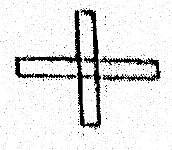
- aHospital
- bFirst Aidసరైన సమాధానం
- cCrossroad
- dNo Parking
వివరణ త్వరలో.
- Q263HUMAN BODY, NUTRITION AND DISEASE
Pacemaker is related to which of the following?
- aHeartసరైన సమాధానం
- bLung
- cLiver
- dKidney
వివరణ
Option A is correct because a pacemaker is an electrical device implanted in the chest to regulate the rhythm and beating of the heart. Option B: Lungs are organs of respiratory gas exchange, not regulated by an electrical pacemaker. Option C: The liver is a metabolic and detoxification organ, completely unrelated to pacemaker therapy. Option D: Kidneys filter waste from the blood and manage electrolyte balance, which is not modulated by a cardiac pacemaker.
- Q264HUMAN BODY, NUTRITION AND DISEASE
క్యాన్సర్ కణితుల చికిత్సకు సంబంధించి, సైబర్నైఫ్ అనే సాధనం వార్తల్లో నిలుస్తోంది. ఈ సందర్భంలో, కింది ప్రకటనలలో ఏది సరైనది కాదు?
- aఇది రోబోటిక్ ఇమేజ్ గైడెడ్ సిస్టమ్
- bఇది అత్యంత ఖచ్చితమైన రేడియేషన్ మోతాదును అందిస్తుంది
- cఇది సబ్మిల్లిమీటర్ ఖచ్చితత్వాన్ని సాధించే సామర్థ్యాన్ని కలిగి ఉంది
- dఇది శరీరంలో కణితి వ్యాప్తిని మ్యాప్ చేయగలదుసరైన సమాధానం
వివరణ
Option D సరైనది, ఎందుకంటే సైబర్నైఫ్ అనేది స్థానికీకరించిన గాయాలకు అధిక-మోతాదు లక్ష్యంతో కూడిన స్టీరియోటాక్టిక్ రేడియోసర్జరీని అందించడానికి రూపొందించబడిన రోబోటిక్ చికిత్సా సాధనం, మెటాస్టేసెస్ వ్యాప్తిని మ్యాప్ చేయడానికి ఉపయోగించే పూర్తి-శరీర రోగనిర్ధారణ స్కానింగ్ సాధనం కాదు. Option A: సైబర్నైఫ్ రోబోటిక్ ఆర్మ్తో కలిపి రియల్-టైమ్ ఇమేజ్ గైడెన్స్ని ఉపయోగించి పనిచేస్తుంది, ఇది సరైన ప్రకటన. Option B: కణితి కణాలను నాశనం చేయడానికి అత్యంత కేంద్రీకృత రేడియేషన్ మోతాదులను అందించడం దీని ప్రధాన చికిత్సా ఉద్దేశ్యం. Option C: రోగి కదలికలకు అనుగుణంగా సర్దుబాటు చేస్తూ, సబ్మిల్లిమీటర్ ఖచ్చితత్వంతో కణితులను లక్ష్యంగా చేసుకోవడానికి ఈ వ్యవస్థ ఖచ్చితంగా క్రమాంకనం చేయబడింది.
- Q265SCHOOL CHEMISTRY
Solvay periodic substance refers to which of the following?
- aSodiumసరైన సమాధానం
- bChlorine
- cPotassium
- dPhosphorus
వివరణ
Option A is correct because the Solvay process is an industrial method developed by Ernest Solvay for the large-scale production of sodium carbonate using sodium chloride, ammonia, and limestone. Option B: Chlorine is manufactured industrially by the chlor-alkali electrolysis process, not the Solvay process. Option C: Potassium carbonate cannot be prepared by the Solvay method because potassium bicarbonate is too soluble to precipitate from solution. Option D: Phosphorus is extracted from phosphate mineral deposits and has no role in the Solvay process.
- Q266SCHOOL CHEMISTRY
The color given by excess Lithium in a Lithium chloride crystal:
- aViolet
- bGreen
- cPinkసరైన సమాధానం
- dYellow
వివరణ
Option C is correct because heating lithium chloride in the presence of excess lithium vapour creates anion vacancies filled by unpaired electrons, known as F-centres, which absorb light and impart a pink colour to the crystal. Excess lithium in LiCl: pink Excess sodium in NaCl: yellow Excess potassium in KCl: violet Option A: Violet colour is produced by F-centres formed due to excess potassium in potassium chloride crystals. Option B: Green colour is not produced by metal excess defects in alkali halides. Option D: Yellow colour is produced by F-centres formed due to excess sodium in sodium chloride crystals.
- Q267SCHOOL CHEMISTRY
Cola transport easy drinks contain which of the following?
- aPhosphoric acidసరైన సమాధానం
- bFormic acid
- cLactic acid
- dCitric acid
వివరణ
Option A is correct because phosphoric acid is added to cola beverages to impart a distinct tangy and sharp flavor while also acting as a preservative against microbial growth. Option B: Formic acid is a toxic compound found in ant stings and is unsafe for human food consumption. Option C: Lactic acid is naturally present in sour milk and curd, not standard cola soft drinks. Option D: Citric acid is predominantly used in clear, citrus-flavored sodas rather than dark colas.
- Q268SCHOOL CHEMISTRY
The substance / material used to ignite rocket fuel:
- aLiquid hydrogen
- bMethyl alcohol
- cAmmonium perchlorateసరైన సమాధానం
- dPotassium chlorate
వివరణ
Option C is correct because ammonium perchlorate is a primary oxidizer used extensively in solid rocket propellants to initiate and sustain combustion. Option A: Liquid hydrogen serves as a cryogenic fuel rather than an oxidizer or ignition material. Option B: Methyl alcohol is a liquid fuel or solvent, not a primary solid rocket ignition substance. Option D: Potassium chlorate is too sensitive and unstable for standard large-scale rocket motor ignition.
- Q269SCHOOL CHEMISTRY
Permanent hardness of water is caused by the presence of which of the following?
- aCalcium sulfateసరైన సమాధానం
- bCalcium bicarbonate
- cSodium bicarbonate
- dMagnesium bicarbonate
వివరణ
Option A is correct because permanent hardness cannot be removed by boiling and is caused by the soluble chlorides and sulfates of calcium and magnesium. Option B: Calcium bicarbonate causes temporary hardness, which is easily removed by boiling. Option C: Sodium bicarbonate does not contribute to either temporary or permanent hardness of water. Option D: Magnesium bicarbonate causes temporary hardness rather than permanent hardness.
- Q270SCHOOL CHEMISTRY
In which of the following ways is Sodium benzoate used?
- aFlavoring agent
- bPreservativeసరైన సమాధానం
- cColoring agent
- dTo neutralize sourness
వివరణ
Option B is correct because sodium benzoate is an antimicrobial agent widely used as a food preservative to inhibit the growth of yeasts, moulds, and bacteria in acidic foods and beverages. Option A: It does not impart flavour to food products. Option C: It is a colourless compound and does not act as a dye or colouring agent. Option D: It is the salt of a weak acid and does not serve as an antacid or de-acidifying agent.
- Q271SCHOOL CHEMISTRY
Which of the following primarily contains mosquito repellent?
- aCalcium dihydrogen phosphateసరైన సమాధానం
- bPotassium hydrogen phosphate
- cSodium hydrogen sulfate
- dAmmonium bicarbonate
వివరణ త్వరలో.
- Q272SCHOOL CHEMISTRY
Bardron is a:
- aBlue pigment
- bYellow pigmentసరైన సమాధానం
- cBrown pigment
- dOrange pigment
వివరణ త్వరలో.
- Q273SCHOOL CHEMISTRY
Among the following metals, which is used as the purest metal?
- aSilver
- bCopper
- cIron
- dAluminiumసరైన సమాధానం
అధికారిక సమాధానం చూపించాం. వివరణ సమీక్షలో ఉంది.
- Q274SCHOOL CHEMISTRY
22 carat gold contains how much weight:
- a8.4% copperసరైన సమాధానం
- b10.2% copper
- c11.4% copper
- d12.6% copper
వివరణ
Option A is correct because 22 carat gold contains 22 parts pure gold and 2 parts alloy metal such as copper, which amounts to approximately 8.4 percent by weight. 24 carat gold equals 100 percent pure gold 22 carat gold contains 22 parts gold out of 24 total parts Alloy metal content equals 2 parts out of 24 parts Percentage of alloy metal equals 2 divided by 24 multiplied by 100, which is approximately 8.33 percent or 8.4 percent Option B: 10.2% copper corresponds to roughly 21.5 carat gold. Option C: 11.4% copper corresponds to roughly 21.3 carat gold. Option D: 12.6% copper corresponds to roughly 21 carat gold.
- Q275SCHOOL CHEMISTRY
Brass is an alloy of which of the following?
- aCopper and Aluminium
- bCopper and Tin
- cCopper and Zincసరైన సమాధానం
- dCopper and Nickel
వివరణ
Option C is correct because brass is a substitutional alloy composed essentially of copper and zinc in varying proportions. Option A: Copper and aluminium form aluminium bronze, not brass. Option B: Copper and tin combine to form bronze, not brass. Option D: Copper and nickel form cupronickel, not brass.
- Q276SCHOOL CHEMISTRY
Non-stick utensils used in the kitchen are coated with what?
- aPolyvinyl chloride
- bPolytetrafluoroethyleneసరైన సమాధానం
- cPolystyrene
- dPolyamide
వివరణ
Option B is correct because polytetrafluoroethylene (PTFE), widely known under the brand name Teflon, provides extreme non-reactivity, high thermal stability, and a very low coefficient of friction, making it ideal for non-stick cookware. Option A: Polyvinyl chloride decomposes at cooking temperatures and releases hazardous fumes, making it unusable for cooking surfaces. Option C: Polystyrene is a brittle polymer with low thermal resistance used mainly in disposable packaging and insulation. Option D: Polyamides (nylons) are used for textile fibres and engineering parts, not as non-stick coatings on utensils.
- Q277SCHOOL PHYSICS
Friction:
- aaccelerates motion
- bcompletely stops moving objects
- creduces the speed of motion.సరైన సమాధానం
- dhas no effect on motion.
వివరణ
Option C is correct because friction always opposes the relative motion between contacting surfaces, causing a moving body to decelerate and reduce its speed. Option A: Friction resists relative motion and dissipates mechanical energy into heat, so it decelerates rather than accelerates motion. Option B: Friction continuously reduces speed, but does not stop motion instantaneously without sufficient distance or time. Option D: Friction exerts a retarding force that directly alters the velocity of moving objects.
- Q278SCHOOL PHYSICS
The orbital period of a geostationary satellite is:
- a365 days
- b30 days
- c1 dayసరైన సమాధానం
- d12 hours
వివరణ
Option C is correct because a geostationary satellite must match Earth's rotational period so that it appears stationary relative to a fixed point on Earth's equator. Rotational period of Earth on its axis: approximately 24 hours (1 day) Orbital period of a geostationary satellite: 24 hours (1 day) Orbital altitude: approximately 35786 km above the equator Option A: 365 days is Earth's orbital period around the Sun, not the period of an Earth-orbiting satellite. Option B: 30 days is roughly the orbital period of the Moon around Earth. Option D: 12 hours is typical for semi-synchronous satellite orbits, such as those used by GPS constellations.
- Q279SCHOOL PHYSICS
Inertia is a property of which of the following?
- aForce
- bDensity
- cMassసరైన సమాధానం
- dVolume
వివరణ
Option C is correct because mass is the intrinsic quantitative measure of an object's inertia, directly determining how strongly it resists any change in its state of rest or uniform motion. Option A: Force is an external interaction that causes an acceleration rather than an inherent property of matter that resists it. Option B: Density is mass per unit volume, which describes how tightly matter is packed rather than its resistance to acceleration. Option D: Volume represents the spatial size of a body and does not determine how difficult it is to change the body's velocity.
- Q280SCHOOL PHYSICS
If force does not act on a system of particles, the external center of propagation of that system?
- aincreases
- bdecreases
- cbecomes zero
- dremains constantసరైన సమాధానం
వివరణ
Option D is correct because by Newton's first law and the law of conservation of momentum, the velocity of the center of mass of an isolated system remains constant when no external force acts upon it. Option A: Increases is incorrect because an increase in the velocity or momentum of the center of mass requires a net positive external force. Option B: Decreases is incorrect because a decrease in the center of mass velocity requires a net retarding external force. Option C: Becomes zero is incorrect because if the center of mass has an initial non-zero velocity, it continues moving uniformly rather than stopping.
మీ ప్రోగ్రెస్ సేవ్ చేసుకోండి
ఎక్కడ ఆపారో గుర్తుంచుకోవడం, బుక్మార్క్లు, అంశాల వారీ ప్రశ్నల సెట్లు తెలుగు నోట్స్తో. ప్రారంభ యాక్సెస్ కోసం వెయిట్లిస్ట్లో చేరండి.