2013 · GS Paper 4 · Q2(a)(i) · 3 marks
What do you understand by the following terms in the context of public service? Integrity
In short
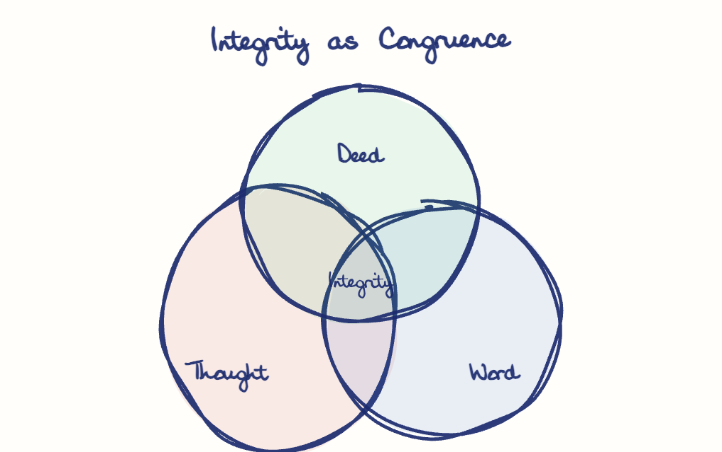
Integrity in public service is a settled harmony between conviction and conduct, with no obligation to outside influence and absolute financial probity. Lal Bahadur Shastri's resignation as Railway Minister after the 1956 Ariyalur accident shows integrity as owning moral responsibility beyond what rules require.
Model answer
Ghissu Editorial · Verified 4 Oct 2026 · 265 words
Consistency of character
An official with integrity keeps one standard in the file and in private, so decisions follow law and conscience rather than convenience.
No obligation to outsiders
The Nolan Committee (UK, 1995) defined integrity as never placing oneself under any obligation that might influence official duties.
Financial probity
Rule 3(1) of the All India Services (Conduct) Rules, 1968 demands "absolute integrity", covering gifts, assets and conflicts of interest.
Intellectual honesty
It also means giving frank advice and recording facts as they are, even when the truth is unwelcome to superiors.
Owning responsibility
Lal Bahadur Shastri resigned as Railway Minister after the Ariyalur train accident of 1956, accepting moral responsibility though no rule required it.
Resisting pressure
Ashok Khemka cancelled the mutation of a high-profile land deal in Haryana in 2012 and faced more than 50 transfers, yet stood by the record.
Restoring trust
T.N. Seshan enforced the Model Code of Conduct without favour as Chief Election Commissioner (1990-96), reviving faith in elections.
This model answer is indicative and the model can make mistakes; please verify key facts independently.
Practise this question
1Get the answer sheet
Sized for this question.
2Write your answer
Timed, by hand.
3Get it marked
Your score and what to fix.
This chapter in the exam
Integrity5 questions
Asked in 5 of 14 sittings since 2013
- 2021"Integrity is a value that empowers the human being." Justify with suitable illustration.
- 2018State the three basic values, universal in nature, in the context of civil services and bring out their importance.
All 5 questions, sorted by sub-topic, with model answers and practice.
Question from the official UPSC Civil Services (Main) Examination 2013 paper. Answer written by Ghissu's engine and checked against our editorial standards. Found an error? Tell us and we correct it within 48 hours.