2016 · GS Paper 4 · Q7(b) · 5 marks
Anger is a harmful negative emotion. It is injurious to both personal life and work life. How can it be managed and controlled ?
In short
Anger can be managed by understanding what lies beneath it, pausing before responding, reframing provocations, training the mind and removing workplace stressors. Gandhi showed the ideal, turning his 1893 eviction at Pietermaritzburg into satyagraha by channelling anger rather than suppressing it.
Model answer
Ghissu Editorial · Verified 4 Oct 2026 · 278 words
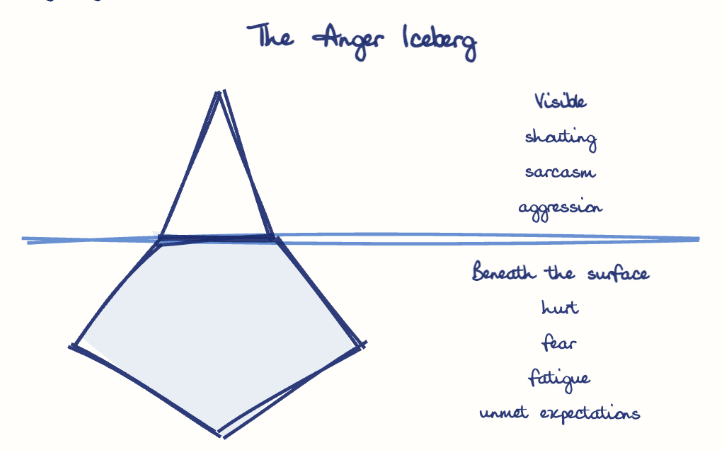
Look beneath the surface
Anger usually masks hurt or exhaustion, and Lieberman's UCLA study (2007) showed that naming a feeling calms the brain's alarm centre.
Pause before replying
Lincoln wrote angry "hot letters", such as one to General Meade in 1863, and never sent them.
Refuse the provocation
In the Akkosa Sutta, the Buddha says an insult not accepted stays with the giver.
Train body and mind
Yoga and Vipassana build calm by habit; Vipassana courses in Tihar Jail from 1993 were credited with reducing violence.
Assertion, not aggression
Address the problem and its effect, never the person, so a dispute stays professional.
Remove the stressors
The WHO's ICD-11 (2019) treats burnout as an occupational phenomenon, so fair workloads and working grievance channels stop anger from building.
Empathy for the citizen
Reading an angry complainant's fear of losing land or rations lets an officer calm, not escalate, the room.
Transmute just anger
Gandhi turned his eviction at Pietermaritzburg (1893) into satyagraha, holding that anger conserved, like heat, becomes energy.
This model answer is indicative and the model can make mistakes; please verify key facts independently.
Practise this question
1Get the answer sheet
Sized for this question.
2Write your answer
Timed, by hand.
3Get it marked
Your score and what to fix.
This chapter in the exam
Emotional intelligence — Concepts7 questions
Asked in 5 of 14 sittings since 2013
- 2023"What really matters for success, character, happiness and lifelong achievements is a definite set of emotional skills — your EQ — not just purely cognitive abilities that are measured by conventional IQ tests." Do you agree with this view? Give reasons in support of your answer.
- 2020'Hatred is destructive of a person's wisdom and conscience that can poison a nation's spirit.' Do you agree with this view? Justify your answer.
All 7 questions, sorted by sub-topic, with model answers and practice.
Question from the official UPSC Civil Services (Main) Examination 2016 paper. Answer written by Ghissu's engine and checked against our editorial standards. Found an error? Tell us and we correct it within 48 hours.