2022 · GS Paper 2 · Q7 · 10 marks
The Rights of Persons with Disabilities Act, 2016 remains only a legal document without intense sensitisation of government functionaries and citizens regarding disability. Comment.
In short
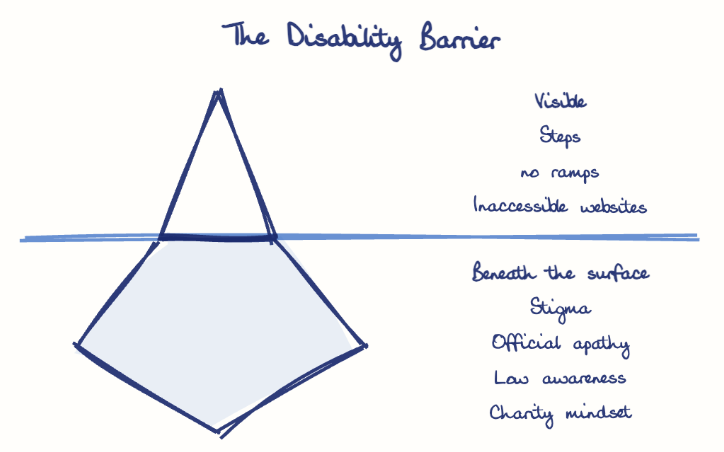
Without sensitisation, the RPwD Act 2016 largely stays on paper, because stigma and official apathy block rights the law already grants. Rajive Raturi (2024) had to strike down advisory accessibility rules, while Section 39 itself mandates awareness and sensitisation programmes.
Model answer
Ghissu Editorial · Verified 4 Oct 2026 · 275 words
Insensitive officials
In Jeeja Ghosh v. Union of India (2016), airline staff offloaded a passenger with cerebral palsy, and the Supreme Court awarded damages.
Courts as gatekeepers
In Vikash Kumar v. UPSC (2021), the Court had to order a scribe for a candidate with writer's cramp.
Weak enforcement
Rajive Raturi v. Union of India (2024) struck down Rule 15 of the RPwD Rules for leaving accessibility standards merely advisory.
Hidden prejudice
Stigma at home and in hiring leaves the 4% job and 5% higher-education reservations unevenly filled.
Statutory mandate
Section 39 obliges governments to run awareness campaigns and sensitisation programmes.
Campaigns that work
The Accessible India Campaign (2015) and the UDID card show outreach turning rules into ramps and certificates.
Digital access
Pragya Prasun v. Union of India (2025) made digital access part of Article 21, ordering accessible KYC for acid-attack survivors and visually impaired persons.
Enforceable core
Penalties, special courts and Disability Commissioners mean the Act bites whenever a sensitised official or citizen invokes it.
This model answer is indicative and the model can make mistakes; please verify key facts independently.
Practise this question
1Get the answer sheet
Sized for this question.
2Write your answer
Timed, by hand.
3Get it marked
Your score and what to fix.
This chapter in the exam
Persons with Disabilities2 questions
Asked in 2 of 14 sittings since 2013
Question from the official UPSC Civil Services (Main) Examination 2022 paper. Answer written by Ghissu's engine and checked against our editorial standards. Found an error? Tell us and we correct it within 48 hours.