2016 · GS Paper 2 · Q14 · 12 marks
Traditional bureaucratic structure and culture have hampered the process of socio-economic development in India. Comment.
In short
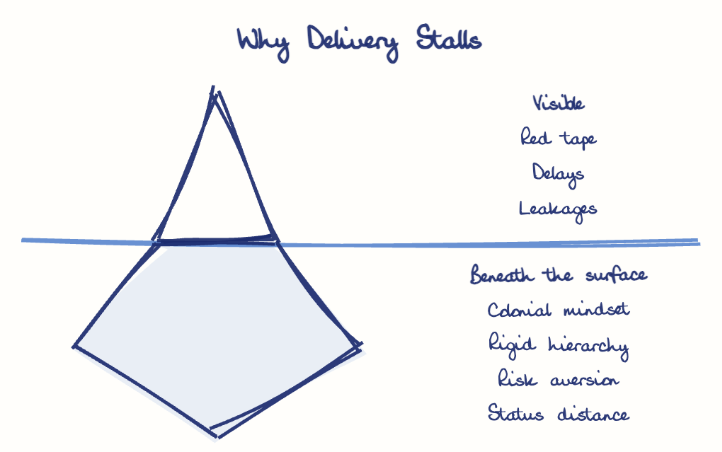
A colonial, rule-bound structure and a hierarchical, risk-averse culture have largely slowed India's socio-economic development, though the bureaucracy delivers when given clear goals, technology and accountability. Fear of the "4 Cs" and the licence-permit raj show the drag, while Direct Benefit Transfer shows the reform path.
Model answer
Ghissu Editorial · Verified 4 Oct 2026 · 278 words
Process over outcomes
The licence-permit raj until 1991 tied investment to endless clearances, and stalled projects led to PRAGATI (2015) review by the Prime Minister.
Leakage
Rajiv Gandhi's 1985 remark that only about 15 paise of a rupee reached the poor exposed layered, file-bound delivery.
Risk aversion
Fear of the "4 Cs" (CBI, CVC, CAG, courts) breeds decision avoidance, which the 2018 Prevention of Corruption Act amendment (Section 17A) tried to ease.
Distance from citizens
Generalist officers rotated often lack domain depth and treat citizens as supplicants, weakening participatory planning under Panchayati Raj.
Landmark delivery
The same services carried the Green Revolution and Operation Flood to the field and conduct the world's largest elections.
Technology and leadership
Direct Benefit Transfer cut leakages, and the Aspirational Districts Programme (2018) showed collectors improving health and education indicators.
Reform within
Mission Karmayogi (2020) moves training "from rule to role", with over 75 lakh iGOT users in 2024-25 (DoPT).
This model answer is indicative and the model can make mistakes; please verify key facts independently.
Practise this question
1Get the answer sheet
Sized for this question.
2Write your answer
Timed, by hand.
3Get it marked
Your score and what to fix.
This chapter in the exam
Role of Civil Services in a Democracy6 questions
Asked in 6 of 14 sittings since 2013
- 2026Analyse the advantages and limitations of the generalist structure of the Indian Civil Services in contemporary governance.
- 2024The Doctrine of Democratic Governance makes it necessary that the public perception of the integrity and commitment of civil servants becomes absolutely positive. Discuss.
All 6 questions, sorted by sub-topic, with model answers and practice.
Question from the official UPSC Civil Services (Main) Examination 2016 paper. Answer written by Ghissu's engine and checked against our editorial standards. Found an error? Tell us and we correct it within 48 hours.