2017 · GS Paper 4 · Q2(a) · 2 marks
Examine the relevance of the following in the context of civil service: Transparency
In short
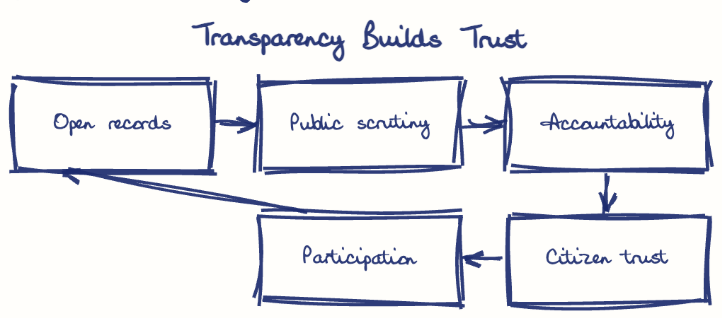
Transparency is relevant to the civil service because it checks discretion, enforces accountability, improves service delivery and builds public trust, within limits set by privacy and security. Proactive disclosure under Section 4 of the RTI Act 2005 and MGNREGA social audits let citizens match records with reality.
Model answer
Ghissu Editorial · Verified 4 Oct 2026 · 277 words
Check on discretion
Decisions taken in the open leave little room for bribes or favouritism; e-procurement on the GeM portal has made tenders traceable for this reason.
Accountability that works
Proactive disclosure under Section 4 of the RTI Act 2005 and MGNREGA social audits, institutionalised in Andhra Pradesh, let citizens match records with reality.
Better service delivery
Public dashboards for the Aspirational Districts Programme and grievance tracking on CPGRAMS make delays visible and push officers to respond.
Trust and legitimacy
People accept even adverse decisions when they can see the reasons, which is why Transparency by Default treats secrecy as the exception needing justification.
Privacy and security
Section 8 of the RTI Act and the privacy right recognised in K.S. Puttaswamy (2017) keep personal and security data protected.
Tokenistic Transparency
Uploading files without usable information meets the form of openness but defeats its purpose.
Candid advice
Officers need space for frank internal deliberation, so the reasons for the final decision, not every draft, should be disclosed.
This model answer is indicative and the model can make mistakes; please verify key facts independently.
Practise this question
1Get the answer sheet
Sized for this question.
2Write your answer
Timed, by hand.
3Get it marked
Your score and what to fix.
This chapter in the exam
Information sharing and transparency in government; Right to Information4 questions
Asked in 4 of 14 sittings since 2013
- 2019There is a view that the Official Secrets Act is an obstacle to the implementation of Right to Information Act. Do you agree with the view? Discuss.
- 2018"The Right to Information Act is not all about citizens' empowerment alone, it essentially redefines the concept of accountability." Discuss.
All 4 questions, sorted by sub-topic, with model answers and practice.
Question from the official UPSC Civil Services (Main) Examination 2017 paper. Answer written by Ghissu's engine and checked against our editorial standards. Found an error? Tell us and we correct it within 48 hours.