2018 · GS Paper 1 · Q14 · 15 marks
"The ideal solution of depleting ground water resources in India is water harvesting system." How can it be made effective in urban areas?
In short
Water harvesting is the cheapest way to recharge India's depleting aquifers, but in cities it works only with enforced mandates, clean recharge design, sponge-city planning, revived water bodies and demand control. The CGWB's 2025 assessment rates 730 of 6,762 groundwater units as over-exploited.
Model answer
Ghissu Editorial · Verified 4 Oct 2026 · 271 words
Sealed catchments
Paving turns rain into runoff, which is why Chennai faced "Day Zero" in 2019 yet floods every monsoon.
Paper compliance
Pits are built to win a building permit and never desilted, and unfiltered recharge wells can carry sewage into aquifers.
Mandate with verification
Tamil Nadu's 2003 mandate for all buildings, backed by inspections, helped Chennai's water tables recover; Bengaluru's water board fines defaulters.
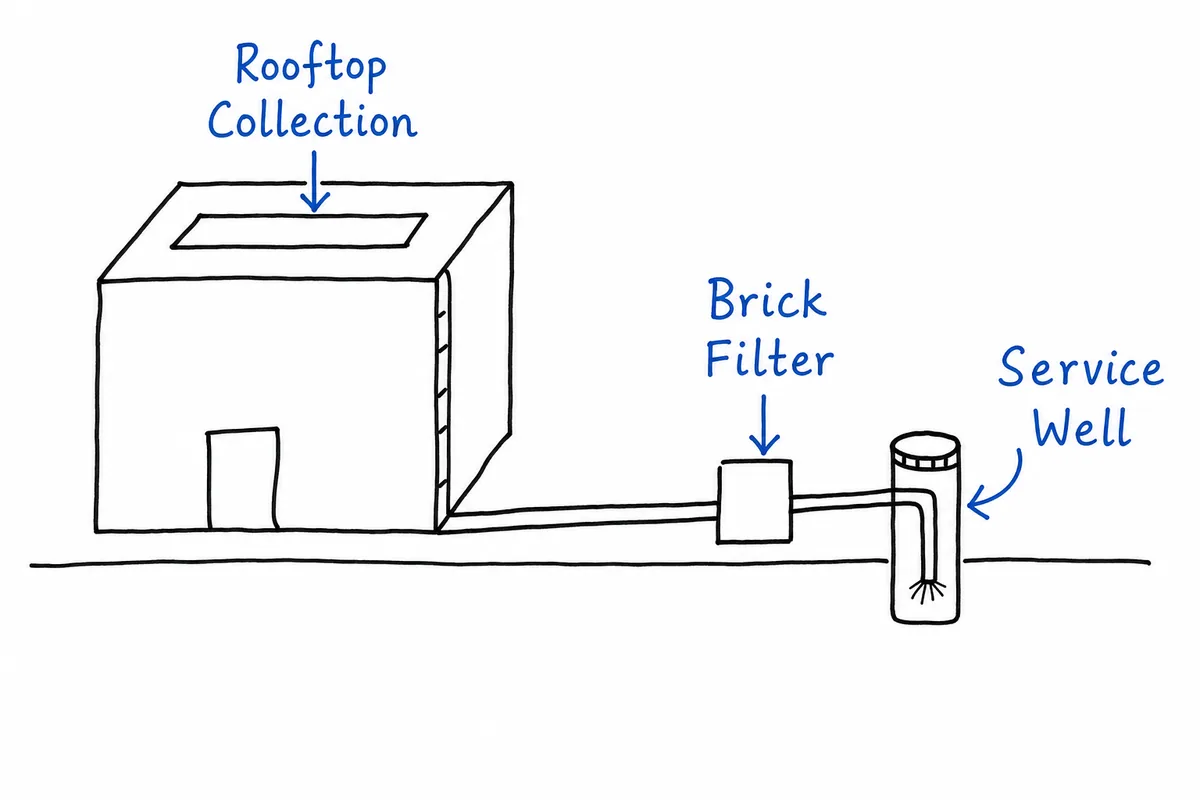
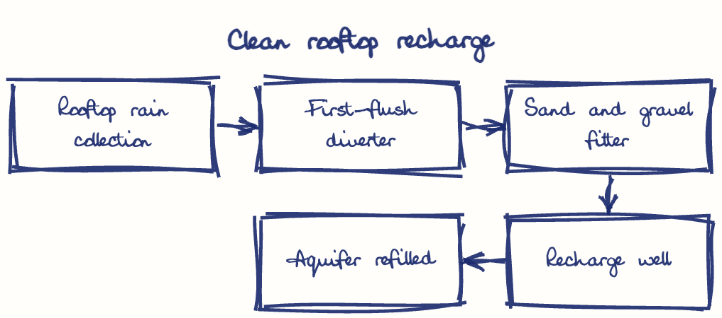
Clean recharge design
A first-flush diverter and sand filter before every recharge well protect the aquifer.
Sponge city planning
Permeable pavements and recharge zones in master plans, on the lines of China's Sponge City programme (2015), let cities absorb rain where it falls.
Revive the commons
AMRUT 2.0 and the "Catch the Rain" campaign (2021) restore lakes, tanks and stepwells such as Hyderabad's Bansilalpet stepwell.
Aquifer-led siting
NAQUIM maps should decide where recharge structures go.
Demand control
Tiered tariffs, leak control and treated sewage reuse must accompany harvesting.
This model answer is indicative and the model can make mistakes; please verify key facts independently.
Practise this question
1Get the answer sheet
Sized for this question.
2Write your answer
Timed, by hand.
3Get it marked
Your score and what to fix.
This chapter in the exam
Resources and planning38 questions
Asked in 14 of 14 sittings since 2013
- 2026"Water resources are both an asset and a source of conflict in South Asia." Examine this statement giving examples.
- 2026Analyze the role of satellite-based technologies in achieving climate-smart agriculture and food security in India.
All 38 questions, sorted by sub-topic, with model answers and practice.
Question from the official UPSC Civil Services (Main) Examination 2018 paper. Answer written by Ghissu's engine and checked against our editorial standards. Found an error? Tell us and we correct it within 48 hours.