2018 · GS Paper 1 · Q13 · 15 marks
Why indentured labour was taken by the British from India to other colonies? Have they been able to preserve their cultural identity over there?
In short
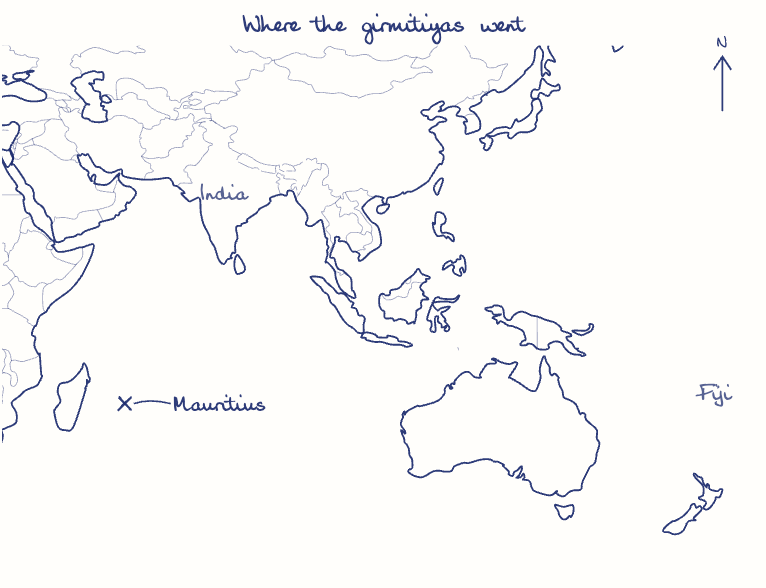
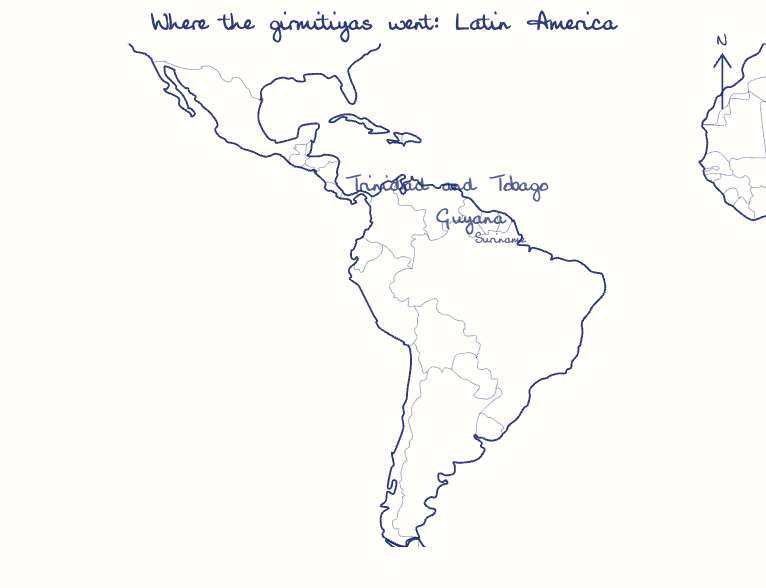
The British took Indian indentured labour to fill the plantation labour gap left by the 1833 abolition of slavery, exploiting famine and debt-driven distress at home. Girmitiyas largely preserved their identity as a hybrid culture, with Diwali a public holiday in Trinidad, Guyana, Mauritius and Fiji.
Model answer
Ghissu Editorial · Verified 4 Oct 2026 · 295 words
Labour gap after abolition
The Slavery Abolition Act of 1833 left sugar planters in Mauritius, British Guiana, Trinidad, Natal and Fiji short of cheap labour.
Colonial push factors
Deindustrialisation, high land revenue, debt and famines drove peasants of Bhojpur and the Madras Presidency to sign on.
Controllable labour
Five-year contracts with penal clauses and recruitment by misleading arkatis bound workers almost as tightly as slaves.
Religion and festivals
Ramcharitmanas recitals and temples anchored community life, and Diwali is a public holiday in Trinidad and Tobago, Guyana, Mauritius and Fiji.
Language and music
Geet Gawai entered UNESCO's intangible heritage list in 2016, while Fiji Hindi, Sarnami and chutney music show adaptation.
Political assertion
Leaders such as Seewoosagur Ramgoolam and Cheddi Jagan rose from girmitiya families.
Losses
Jahaji bhai bonds dissolved caste, Hindi gave way to Creole and English, and the Fiji coups of 1987 drove emigration.
Diaspora engagement
Pravasi Bharatiya Divas and heritage archives help descendants trace their roots.
This model answer is indicative and the model can make mistakes; please verify key facts independently.
Practise this question
1Get the answer sheet
Sized for this question.
2Write your answer
Timed, by hand.
3Get it marked
Your score and what to fix.
This chapter in the exam
Colonialism4 questions
Asked in 4 of 14 sittings since 2013
- 2022Why was there a sudden spurt in famines in colonial India since the mid-eighteenth century? Give reasons.
- 2017Examine how the decline of traditional artisanal industry in colonial India crippled the rural economy.
All 4 questions, sorted by sub-topic, with model answers and practice.
Question from the official UPSC Civil Services (Main) Examination 2018 paper. Answer written by Ghissu's engine and checked against our editorial standards. Found an error? Tell us and we correct it within 48 hours.