2018 · GS Paper 2 · Q8 · 10 marks
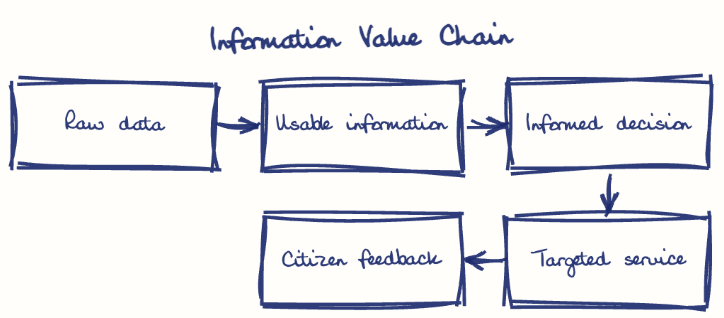
E-governance is not only about utilization of the power of new technology, but also much about critical importance of the use value of information. Explain.
In short
E-governance succeeds when the information it generates is used to target, monitor and empower, because technology alone merely digitises old delays. PRAGATI, which had resolved 7,156 of 7,735 issues raised by March 2026, shows information driving accountable decisions.
Model answer
Ghissu Editorial · Verified 4 Oct 2026 · 266 words
Digitising old processes
Putting a paper procedure online without Government Process Re-engineering only speeds up delay, so many portals still demand physical documents after online filing.
Process before machines
The Lakhina experiment in the Ahmednagar Collectorate cut pendency through record management and single-window counters, even before computers arrived.
Exclusion by design
Biometric authentication failures at Jharkhand's ration shops after 2017 denied grain to genuine beneficiaries.
Targeting
Aadhaar-seeded databases under Direct Benefit Transfer remove ghost beneficiaries, and ration data enabled One Nation One Ration Card portability for migrants.
Monitoring for results
PRAGATI had resolved 7,156 of 7,735 issues raised and accelerated 382 projects worth over ₹85 lakh crore by March 2026.
Competition through data
The Aspirational Districts Programme (2018) ranks districts monthly on 49 indicators, pushing laggards to improve.
Citizen empowerment
Karnataka's Bhoomi put land records in farmers' hands, and Section 4 of the RTI Act, 2005 makes proactive disclosure a tool of accountability.
This model answer is indicative and the model can make mistakes; please verify key facts independently.
Practise this question
1Get the answer sheet
Sized for this question.
2Write your answer
Timed, by hand.
3Get it marked
Your score and what to fix.
This chapter in the exam
e-Governance — Applications, Models, Successes, Limitations and Potential6 questions
Asked in 6 of 14 sittings since 2013
- 2025e-governance projects have a built-in bias towards technology and back-end integration than user-centric designs. Examine.
- 2024e-governance is not just about the routine application of digital technology in service delivery process. It is as much about multifarious interactions for ensuring transparency and accountability. In this context evaluate the role of the Interactive Service Model of e-governance.
All 6 questions, sorted by sub-topic, with model answers and practice.
Question from the official UPSC Civil Services (Main) Examination 2018 paper. Answer written by Ghissu's engine and checked against our editorial standards. Found an error? Tell us and we correct it within 48 hours.