What is a phytohormone? Mention different groups of phytohormones with examples? Discuss the present scenario on commercial use of hormones in artificial fruit ripening?
In short
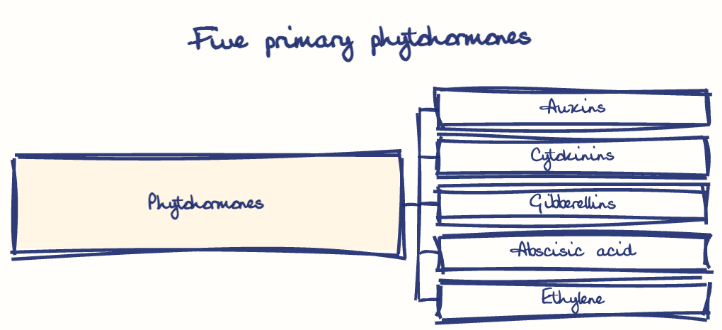
Phytohormones are natural organic substances that regulate plant growth at very low concentrations, grouped as auxins, cytokinins, gibberellins, abscisic acid and ethylene. Ethylene is the hormone most used commercially for ripening mangoes and bananas, and regulated ethylene chambers are replacing hazardous calcium carbide in Andhra Pradesh markets.
Model answer
Ghissu Editorial · Verified 4 Oct 2026 · 255 words
Regulatory Oversight
The Central Insecticides Board and state agricultural departments regulate phytohormones, ensuring safe use in horticulture and monitoring harmful chemicals in artificial ripening.
Major Hormones
Auxins, cytokinins, gibberellins, abscisic acid, and ethylene regulate growth and ripening; ethylene is key commercially for artificial ripening of climacteric fruits.
Functional Dynamics
Hormones interact antagonistically, e.g., cytokinins open stomata, ABA closes them; auxins inhibit abscission while ethylene promotes it, balancing development and senescence.
Current Methods
Andhra Pradesh markets use ethylene gas and ethephon in chambers for controlled ripening; illegal calcium carbide use persists despite health risks and government bans.
Economic and Health Impact
Artificial ripening extends shelf life, aiding farmers and merchants, supporting horticultural exports under NHM. Unsafe practices threaten consumer health, prompting stricter enforcement and awareness campaigns.
Regulatory Strengthening
Enforce bans on harmful chemicals and promote ethylene-based ripening through coordinated efforts between agricultural and health departments in Andhra Pradesh.
Capacity Building
Expand farmer training by ANGRAU and agencies on safe hormone use and ripening technologies, alongside investment in ethylene ripening infrastructure.
This model answer is indicative and the model can make mistakes; please verify key facts independently.
Practise this question
1Get the answer sheet
Sized for this question.
2Write your answer
Timed, by hand.
3Get it marked
Your score and what to fix.
This chapter in the exam
Biotechnology & Nanotechnology: scope, ethics, genetic engineering, biodiversity, fermentation, immuno-diagnosis50 questions
Asked in 8 of 8 sittings since 2008
Most tested: Biodiversity and biotechnology governance/ethics, especially conservation, GMOs, and applied public-health biotech.
- 2025Trace the evolution of India's National Biotechnology Development Strategy (NBDS) and discuss its key objectives. Critically evaluate its impact on the growth of the biotechnology sector in India.
- 2025Analyze the potential of plant-derived biopharmaceuticals in promoting sustainable healthcare. Explain how the application of green pharmacy principles can help minimize environmental harm at each stage of the pharmaceutical lifecycle.
All 50 questions, sorted by sub-topic, with model answers and practice.
Question from the official APPSC Group-I Mains 2016 paper. Answer written by Ghissu's engine and checked against our editorial standards. Found an error? Tell us and we correct it within 48 hours.