"Interlinking of Rivers is considered as a means to conserve water and contribute to social development" discuss.
In short
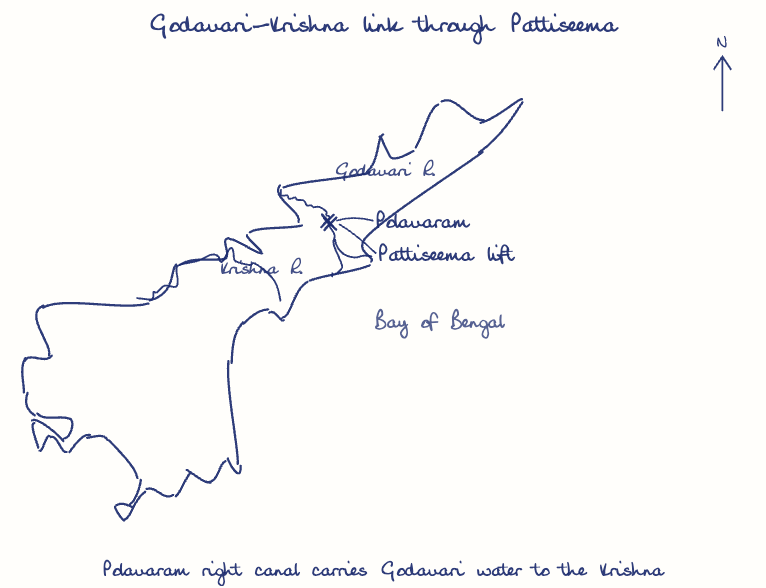
River interlinking conserves water by moving it from surplus to deficit basins, curbing flood and drought losses and recharging groundwater, while boosting irrigation, farm incomes and regional equity. Its costs show in the Ken-Betwa link, which will fell 23 lakh trees, while Pattiseema carries Godavari water to the Krishna.
Model answer
Ghissu Editorial · Verified 4 Oct 2026 · 266 words
Groundwater Recharge and Flood Mitigation
Interlinked canals recharge aquifers and control floods, conserving water underground and preventing uncontrolled losses. This also reduces dependence on erratic rainfall, improving water security in arid zones.
Agricultural and Livelihood Boost
Irrigation of 10.62 lakh hectares under Ken-Betwa increases crop yields and rural employment, uplifting drought-prone regions. Enhanced irrigation supports multiple cropping and allied sectors, strengthening rural economies.
Inclusive Rehabilitation
The Land Acquisition, Rehabilitation and Resettlement Act, 2013 requires fair compensation and participatory planning for Dalit and Adivasi communities affected by displacement. This ensures social justice and equitable access to water and livelihood opportunities.
Environmental and Social Costs
Ken-Betwa’s submergence of forests (23 lakh trees) and displacement (1,913 families) highlight sustainability and justice issues. These challenges require careful mitigation to balance development with conservation.
Sustainable Practices and Governance
Rigorous environmental assessments and basin authorities can ensure equitable water sharing and ecological balance. Leveraging technology like GIS and real-time monitoring will optimize water management and minimize adverse impacts.
This model answer is indicative and the model can make mistakes; please verify key facts independently.
Practise this question
1Get the answer sheet
Sized for this question.
2Write your answer
Timed, by hand.
3Get it marked
Your score and what to fix.
This chapter in the exam
India: physical setting, climate, resources and water3 questions
Asked in 2 of 2 sittings since 2016
Most tested: Water resources and their management, especially rivers and monsoon-linked water availability.
Question from the official TGPSC Group-I Mains 2016 paper. Answer written by Ghissu's engine and checked against our editorial standards. Found an error? Tell us and we correct it within 48 hours.